


Top Credit Card Issuers in the US
- Chase
Chase is a dominant US credit card issuer known for premium travel cards, flexible rewards points, and strong partnerships with airlines and hotels. - American Express
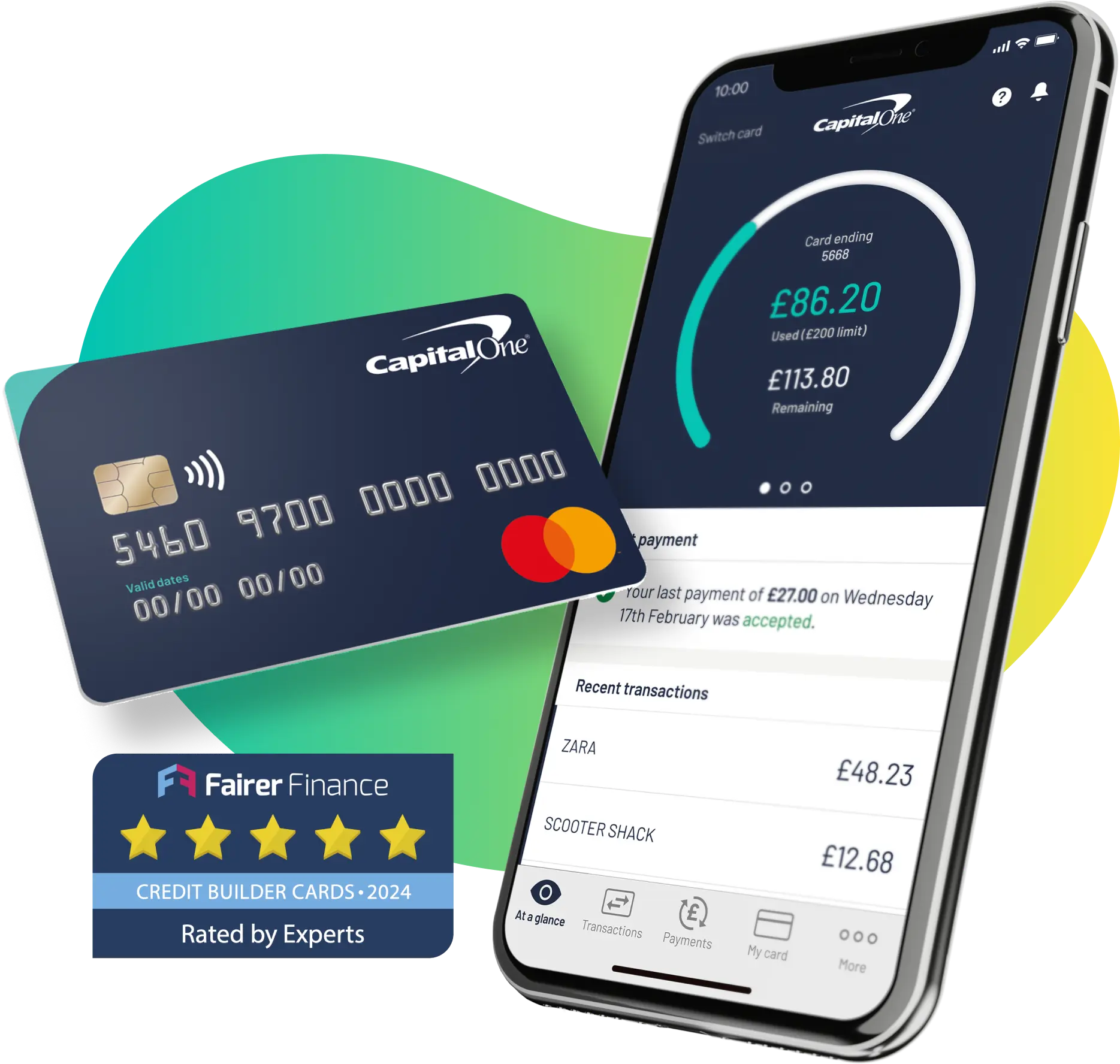
American Express stands out for excellent customer service, travel perks, and Membership Rewards points, especially appealing to frequent US travelers. - Capital One
Capital One focuses on accessible credit cards, intuitive digital tools, and rewards that fit everyday American spending habits. - Discover
Discover is well known in the US for cash back cards, no annual fees, and 100% US-based customer support. - PenFed Credit Union
PenFed offers competitive APRs and consumer-friendly terms, reflecting the credit-union model popular among US borrowers seeking lower costs.
1. Major Bank Credit Cards
Major bank credit cards in the US offer broad functionality, including cash back rewards, travel points, and 0% intro APR on purchases or balance transfers. These cards typically include strong fraud protection and wide acceptance nationwide. However, approval standards can be strict, and ongoing APRs may be higher for consumers with average FICO scores. They are best suited for borrowers with established credit histories.
2. Capital One Classic Card Credit Cards
Capital One Classic Card products emphasize simplicity, transparency, and accessibility for US consumers. They often come with low or no annual fees, competitive variable APRs, and a straightforward rewards structure. The online application process is fast and user-friendly, and Capital One has a strong reputation in the US for reliable customer service and security features. Tools like account alerts and credit monitoring help cardholders manage spending while supporting responsible credit use.
3. Fintech or Online-Only Credit Card Issuers
Fintech credit card issuers operate entirely online and prioritize mobile apps, fast approvals, and modern budgeting features. In the US market, they often target younger consumers with cash back incentives and alternative credit models. While innovative, these cards may lack long-term stability, broad acceptance, or full-service support compared to established US issuers.
4. Secured Credit Cards for Building Credit
Secured credit cards are commonly used in the US to build or rebuild credit. A refundable deposit acts as collateral and sets the credit limit. These cards report to major credit bureaus, helping establish payment history and improve a FICO score when balances are kept low and payments are on time. The main downside is limited rewards and the upfront cash requirement.
5. Retail Store Credit Cards
Retail store cards are often easy to obtain and provide discounts or promotional financing at specific US retailers. However, they typically feature high APRs, limited usability, and fewer protections. For most American consumers, these cards should be used cautiously and paid off quickly to avoid costly interest.
How Credit Cards Impact Your Finances and Credit Score in the US
Credit cards significantly influence your FICO score, especially through credit utilization — the percentage of available credit you use. Keeping utilization low and making on-time payments strengthens your credit profile, while carrying high balances increases interest costs. Credit cards also affect your debt-to-income (DTI) ratio, which lenders review when evaluating mortgage or auto loan applications. Balance transfers can reduce interest temporarily but require disciplined repayment. Understanding benefits like purchase protection and rental car insurance adds value, while multiple hard inquiries in a short period can lower your score. Always review the cardholder agreement, avoid high-interest debt, and pay your balance in full whenever possible.

